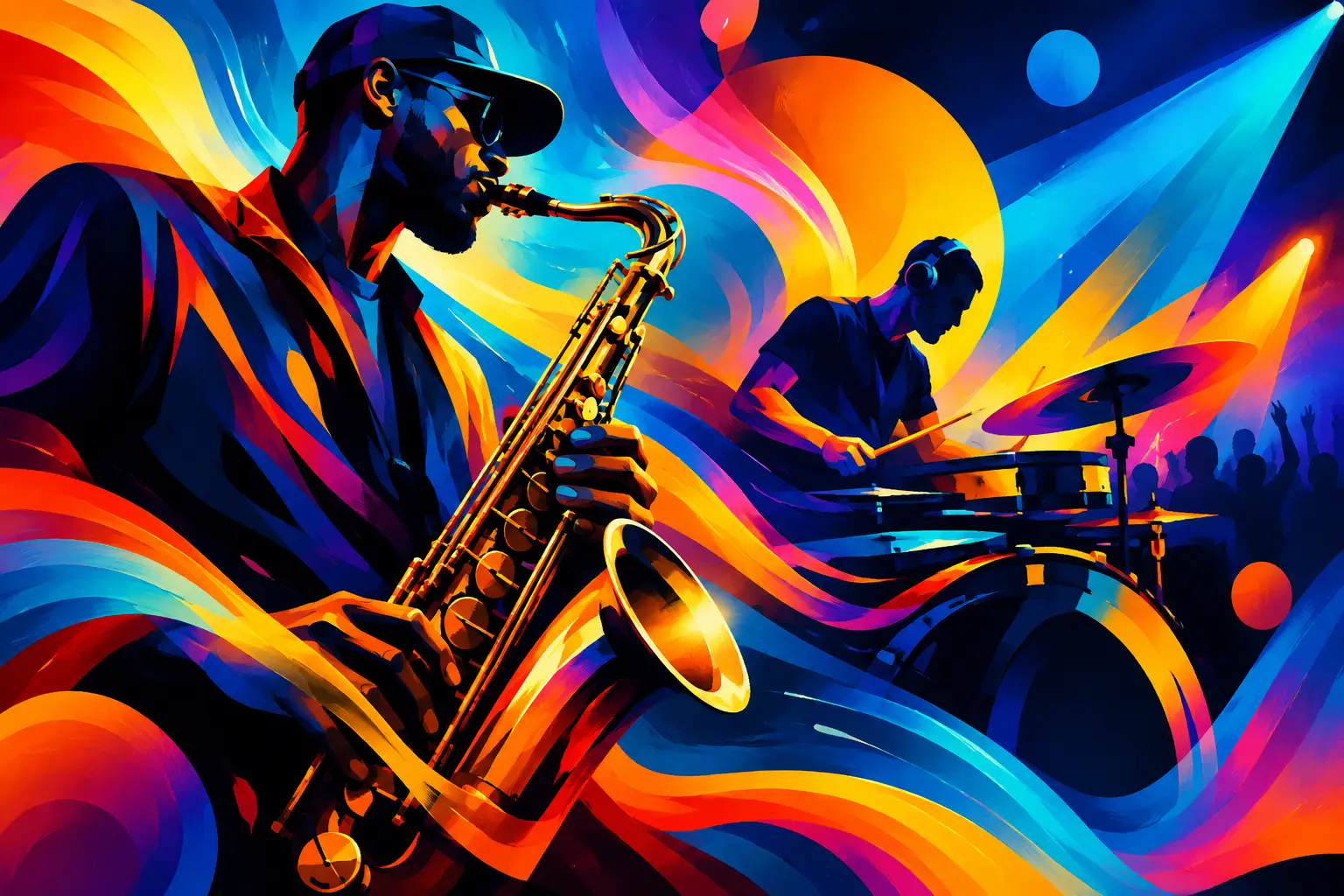
A drum and bass saxophonist can take a DJ set from strong to completely electric. When the beat is rolling, the bass is heavy and the crowd is locked in, live sax adds a human edge that people remember long after the last track. It is not about playing over every tune. It is about picking the right moments, lifting the build-up and giving the dancefloor something unexpected.
For weddings, club nights, corporate parties and big birthday celebrations, drum and bass is no longer reserved for 3am in a warehouse. More clients are asking for high-energy DnB moments alongside house, garage, Ibiza classics and party anthems. Done properly, live sax fits right into that mix.
What a drum and bass saxophonist brings to the room
Drum and bass moves quickly. The tempo is usually around 170 to 175 BPM, with sharp drum patterns, deep low end and frequent drops. A sax player needs more than a few familiar riffs to work in that environment. They need timing, stamina, a good ear and the confidence to improvise around a DJ’s selection without getting in the way of it.
The best live moments often happen just before or after the drop. A short melodic phrase can build anticipation, while a bold line over the first few bars after the drop gives the crowd a release. On liquid drum and bass, the sax can be warmer and more flowing, adding soulful melodies over rolling drums. On dancefloor or jump-up tracks, the approach is punchier – tighter phrases, bigger hooks and plenty of energy.
That flexibility matters at private events. Your guests may love drum and bass, but not all of them will want two hours of it. A crowd-aware saxophonist can move naturally from Ibiza house and vocal classics into garage, DnB and back again, following the room rather than forcing a single genre all night.
Drum and bass saxophonist bookings: where they work best
A DnB sax set works brilliantly when the event already has momentum. Think of a packed wedding dancefloor after the first dance, a summer rooftop party moving from house into faster sounds, or a club night where the promoter wants a live feature without changing the DJ-led format.
At a wedding, it might be a 20-minute drum and bass burst late in the evening, especially if the couple and their friends grew up on the scene. At a corporate event, a recognisable liquid DnB track can bring a fresh twist to an otherwise familiar party set. At a pub or venue night, sax can help create a headline feel that gives people a reason to stay longer and order another round.
The trade-off is simple: the bigger and more bass-heavy the sound, the more the setup matters. Saxophone cuts through naturally in the mid and high frequencies, but it needs a properly balanced PA system. If the DJ is playing through a small speaker in a large room, adding a live instrument will not fix the overall sound. A good setup gives the DJ’s bass space to hit while keeping the sax clear and present.
Playing with your DJ or bringing the full setup
If you have already booked a DJ, no problem. A saxophonist can perform alongside them, using their sound system where suitable and agreeing a few key moments beforehand. This is often the simplest option for couples, party hosts and venues that already have their entertainment sorted but want an extra lift.
Communication is what makes it work. The DJ and sax player should know the rough running order, the style of drum and bass being played and whether there are any must-play tracks. There is no need to script every note – in fact, too much scripting can make a live set feel stiff – but agreeing the energy points avoids awkward surprises.
If there is no DJ, a speaker-and-sax package can be a great fit for smaller events. A curated playlist can cover the full night, from arrival music through to dancefloor favourites, with live sax appearances built into the party sections. For a larger celebration, adding a DJ creates more flexibility, more responsive mixing and a stronger club-style feel.
For clients who want the biggest possible sound, a two-piece or full live-band option can take things further. Percussion, vocals or additional instruments can add real impact, although it is worth being honest about the budget, venue space and guest numbers. A solo sax player with a brilliant DJ can be more effective than a crowded stage in a small function room.
It is not just about playing louder
A common mistake is assuming a drum and bass saxophonist should perform continuously. That can quickly become tiring for the crowd and can make the best tracks feel cluttered. The most effective sets have contrast.
A skilled player listens for space in the music. They may hold back through a vocal section, answer a hook with a short phrase, then step forward for the final drop. That restraint makes the bigger moments land harder. It also keeps the sax sounding like a live feature rather than a permanent layer over the top of every record.
Song choice matters too. Not every drum and bass tune needs saxophone. Tracks with an emotive chord progression, a strong recognisable vocal or room around the main melody tend to work best. Fast, extremely busy tracks can still be great, but the sax part needs to be clean and direct. There is little room for overplaying at that speed.
Planning the set for your event
Start with the people in the room. Is this a club-focused crowd that wants a proper DnB section, or a mixed-age wedding party where a few well-timed tracks will be enough? Both can work brilliantly, but they need different planning.
It helps to share a handful of artists, tracks or styles you love. You might lean towards liquid and soulful sounds, classic jungle flavours, high-energy dancefloor anthems or modern jump-up. You do not need an encyclopaedic playlist. Even five examples give a performer and DJ a useful direction.
Then decide where the live feature sits in the night. Early on, sax can work over feel-good house and disco while guests warm up. Later, when the dancefloor is full, the tempo can rise into garage and drum and bass. A 15 to 30-minute high-energy sax set is often plenty for a private event, although multiple shorter appearances can work better for a long evening.
Practical details are worth covering early: performance times, power access, parking, load-in, sound limits and whether the venue has a sound engineer. London venues in particular can have strict volume restrictions, especially rooftop spaces and sites near residential areas. A great performer can adapt the musical approach, but nobody can ignore a venue limiter that cuts the sound mid-set.
The live moments guests talk about
The value of live sax is not simply that it looks good in photographs, although it certainly does. It creates interaction. A saxophonist can step onto the dancefloor, play alongside the guests and turn a familiar drop into a shared moment. That is especially useful at events where people do not all know each other yet.
For wedding couples, it can be the point where the formalities finally disappear and everyone starts properly celebrating. For a venue manager, it can be the difference between background music and a night customers film, share and come back for. For a corporate organiser, it is a polished way to make the entertainment feel bespoke without making the booking process complicated.
At Ad Sax, the focus is always on reading the crowd and making the live performance fit the party in front of it. Whether that means a quick burst of liquid DnB, a full DJ-and-sax package or a broad party set that moves through several styles, the aim is the same: keep the energy high and make the big moments feel effortless.
If drum and bass is part of your musical story, give it a proper place in the night. A well-timed sax line over the right drop can turn a good dancefloor into the moment everyone talks about on the journey home.
Leave a Reply